The Hidden Technology Making Your Visuals Sharper

Introduction
Have you ever taken a photo in low light and noticed those grainy, discolored spots that make the image look unclear? That graininess is called “noise,” and it’s not just a problem for photographers. Digital images, computer graphics, and real-time rendered scenes all struggle with the same issue. The solution? Denoising.
Noise
In digital imaging and computer graphics, noise refers to random variations in brightness and color that weren’t part of the original scene. Think of it as visual static that reduces clarity and sharpness.
When rendering complex 3D scenes, especially with realistic lighting through ray tracing, computers calculate how light bounces around a virtual environment. To create a perfectly clean image, you’d need to cast thousands of light rays per pixel. But that’s computationally expensive and would make real-time applications like video games impossible.
Denoising
Denoising is an advanced technique that removes unwanted visual artifacts from images while preserving important details and quality. It’s the invisible technology that makes modern video games look photorealistic, enables real-time ray tracing, and helps create the stunning visual effects you see in movies and digital content.
Instead, graphics systems often use just one ray per pixel (or even fewer) to maintain performance. This tradeoff creates noise. The challenge is removing that noise without destroying the fine details that make images look realistic.

The Three Pillars of Denoising
When denoising an image, the technology targets three distinct types of light signals:
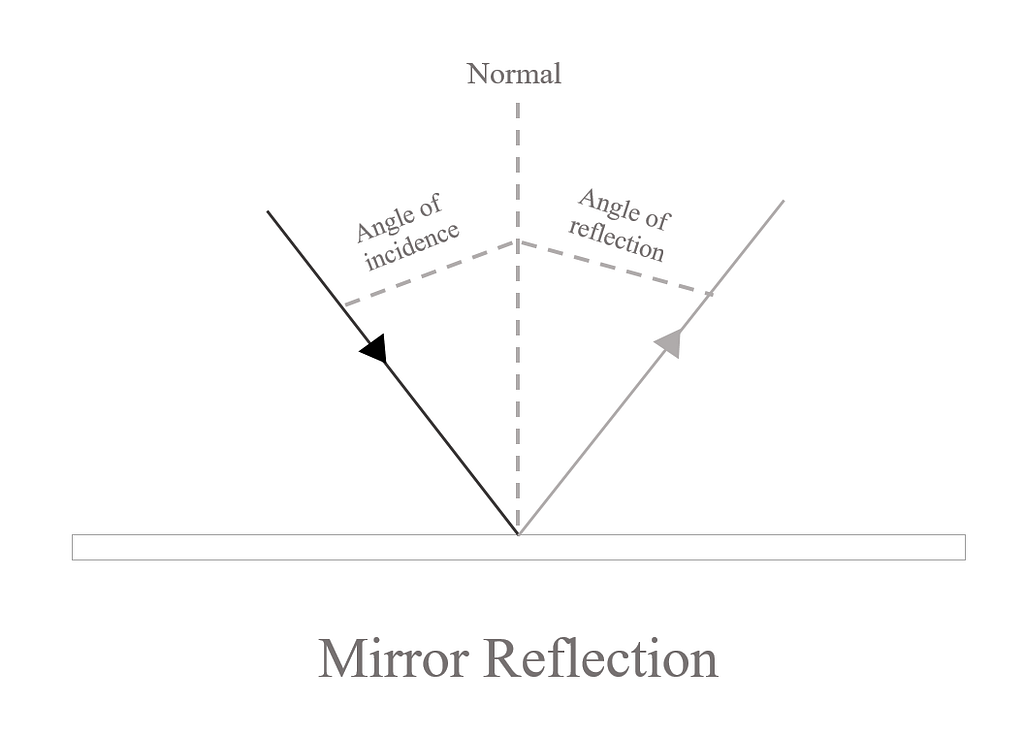
Let me first visualize the mirror reflection which makes the other reflections more understandable.
Diffuse Lighting — This is light that scatters in all directions when it hits a surface, like sunlight on a wall. It provides the base color and illumination of objects.
Specular Reflections — Light that bounces in specific directions creates shiny surfaces and mirror-like reflections. This is what makes metal gleam or water shimmer.
Shadows — Areas where light is blocked need special handling to look natural, especially shadows from distant light sources like the sun.
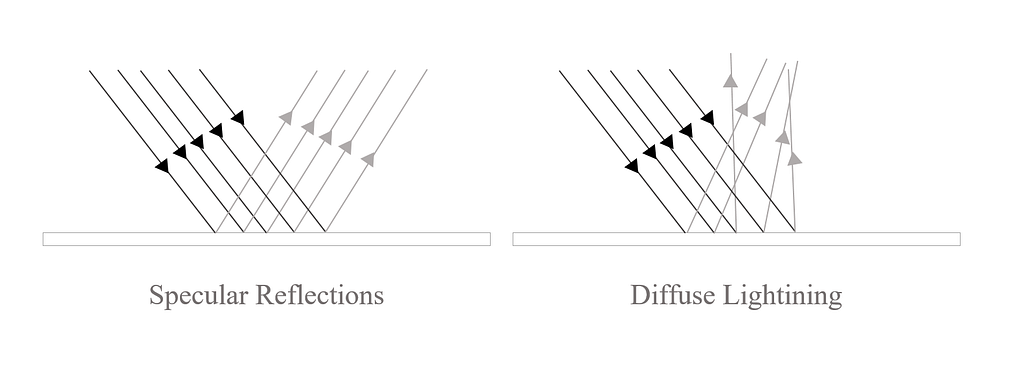
Each of these signals requires different denoising approaches because they behave differently and contribute uniquely to the final image.
How Denoising Works?
Modern denoising relies on a combination of three fundamental techniques, each with its own strengths and tradeoffs:
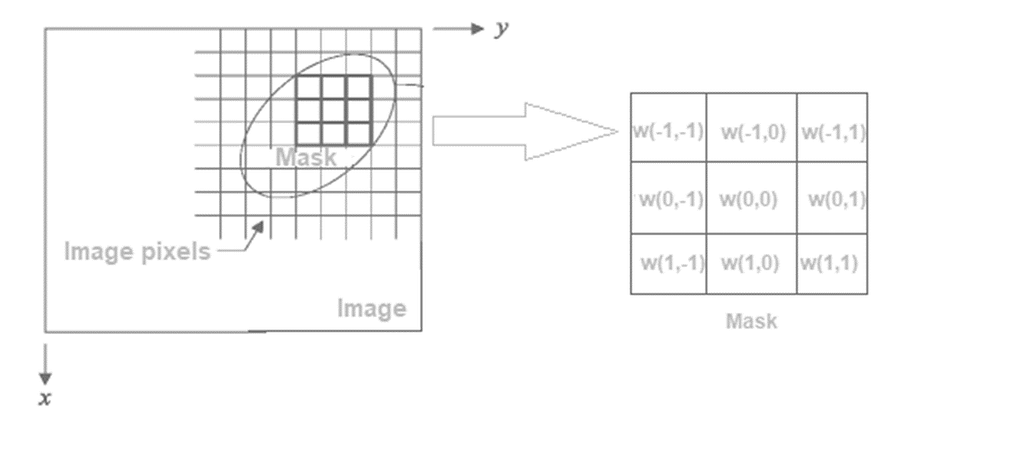
1. Spatial Filtering
This technique examines neighboring pixels and blends similar ones together to smooth out noise. It works entirely within a single frame.
Advantages: No delay or lag between frames, making it responsive to changes.
Drawbacks: Can introduce blurriness and cause flickering between frames, which creates temporal instability.
2. Temporal Accumulation
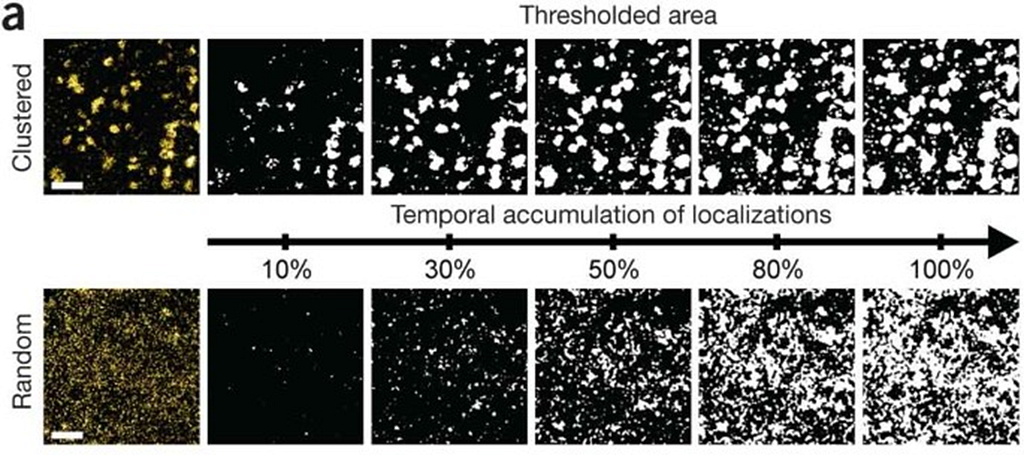
Instead of just looking at one frame, temporal accumulation examines previous frames to determine what’s real detail and what’s noise. If something appears consistently across multiple frames, it’s probably real. If it’s random and changing, it’s likely noise.
Advantages: Produces clearer results without blurriness and reduces flickering over time.
Drawbacks: Can introduce a slight delay when the scene changes rapidly, and requires careful handling of moving objects.
3. Machine Learning and Deep Learning
The most advanced approach uses neural networks trained on pairs of noisy and clean images. The AI learns to recognize patterns that distinguish real details from noise.
- Advantages: Can produce remarkably clean results even from very noisy input.
- Drawbacks: Requires temporal stabilization to prevent flickering, and needs substantial computational resources for training.
Modern denoising systems often combine all three approaches, using the strengths of each to compensate for the limitations of the others.
Real-World Applications
Gaming
Denoising is essential for modern video games that use ray tracing. Popular titles like Dying Light 2 and Hitman III rely on denoising technology to achieve their stunning visuals while maintaining smooth frame rates. Without it, real-time ray tracing simply wouldn’t be practical on consumer hardware.
Film and Animation
While film production can afford to render each frame for hours, denoising still speeds up the preview process. Artists can see realistic versions of their work during the creative process without waiting days for final renders.
The Technology Behind the Scenes
One prominent implementation is NVIDIA’s Real-Time Denoisers (NRD), a library that makes denoising accessible to developers. NRD includes specialized denoisers for different purposes:
ReBLUR tackles diffuse and specular lighting with a self-stabilizing recurrent approach that works well even with minimal ray budgets.
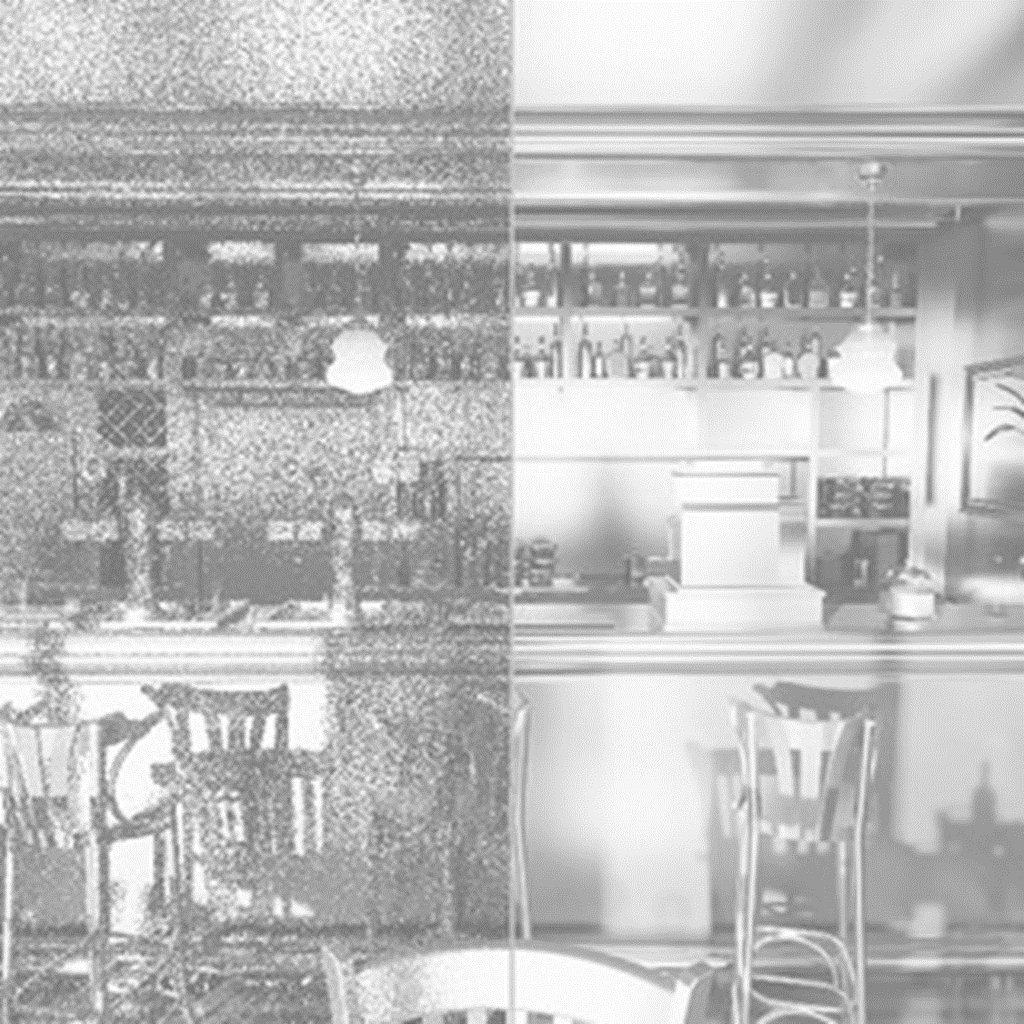
SIGMA specializes in shadow denoising, handling everything from sunlight to dynamic area lights efficiently.
ReLAX preserves fine lighting details while maintaining stability across frames, especially useful for scenes with many light sources.
These tools work across different graphics APIs and are designed specifically for the low ray counts that real-time applications require.
Why Denoising Matters
Denoising represents a crucial balancing act in computer graphics: the tradeoff between visual quality and performance. Without effective denoising, we’d face two unpleasant choices: either accept noisy, low-quality graphics, or sacrifice interactivity for clean images that render too slowly for real-time use.
Thanks to advances in denoising technology, we get both. Photorealistic graphics run in real-time, virtual worlds feel immersive and responsive, and the boundary between rendered and real continues to blur.
Okay, this was the theory part. Let me take you to a code-based journey. I prepared an Image Denoising Laboratory that enables you to experience with image denoising algorithms. Click here and reach to the repository I created for you.

Conclusion
As graphics technology continues to advance with AI and machine learning, denoising techniques are becoming even more sophisticated. The future promises even cleaner images from even fewer computational resources, bringing photorealistic graphics to more devices and applications than ever before.
Denoising was originally published in Towards AI on Medium, where people are continuing the conversation by highlighting and responding to this story.